Diabetic PCD Pharma Franchise: What Are the Different Types of Diabetes Medicines?
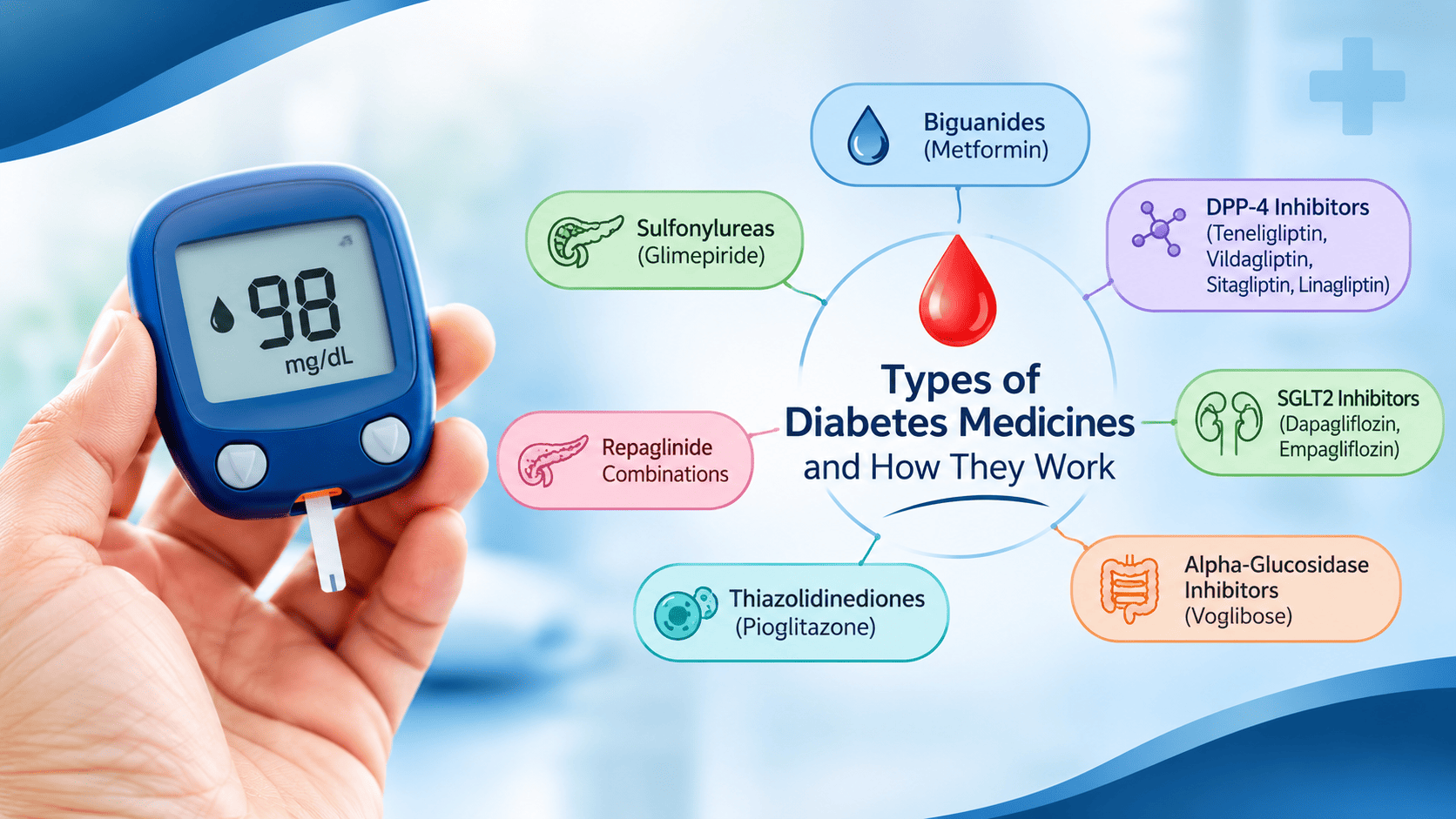
Diabetes medicines are an important part of the pharmaceutical industry, with multiple formulations developed to help manage blood glucose levels through different mechanisms. These medicines work by improving insulin sensitivity, stimulating insulin secretion, reducing glucose production or helping the body regulate glucose more effectively.
For pharmaceutical distributors and entrepreneurs, understanding these medicine categories is useful when exploring a Diabetic PCD Pharma Franchise. Knowledge of different antidiabetic formulations helps businesses evaluate product portfolios, understand market requirements and select a pharmaceutical company that offers relevant products.
Arlak Corazon offers a range of diabetic formulations, including single-molecule medicines and combination tablets covering several major antidiabetic categories. This article explores the types of diabetes medicines available in its portfolio, their mechanisms of action and their relevance to the diabetic pharma franchise segment.
What Are the Different Types of Diabetes Medicines?
Diabetes medicines are classified according to their active ingredients and how they work in the body. Different medicines target different aspects of glucose regulation, and some formulations combine multiple active ingredients to provide complementary mechanisms of action.
The diabetic medicine categories portfolio should include:
-
Biguanides – Metformin
-
Sulfonylureas – Glimepiride
-
DPP-4 inhibitors – Teneligliptin, Vildagliptin, Sitagliptin and Linagliptin
-
SGLT2 inhibitors – Dapagliflozin and Empagliflozin
-
Alpha-glucosidase inhibitors – Voglibose
-
Thiazolidinediones – Pioglitazone
-
Combination formulations containing multiple antidiabetic ingredients, including Repaglinide-based combinations
1. Biguanides – Metformin
Metformin belongs to the biguanide class of oral antidiabetic medicines and is widely used in the management of type 2 diabetes.
How does Metformin work?
Metformin primarily reduces glucose production in the liver and improves insulin sensitivity. It helps the body use insulin more effectively, contributing to better blood glucose regulation.
Role in diabetes management
Metformin is commonly prescribed for type 2 diabetes. Depending on individual treatment requirements, it may be used as a single-ingredient medicine or in combination with other antidiabetic drugs.
Molecules by Arlak Corazon for Cardiac Diabetic PCD Pharma Franchise:
-
ZULIP-500 SR – Metformin
-
ZULIP-1000 SR – Metformin
-
ZULIP-G1 – Glimepiride + Metformin
-
ZULIP-G2 – Glimepiride + Metformin
-
ZULIP-G1 FORTE – Glimepiride + Metformin
-
ZULIP-G2 FORTE – Glimepiride + Metformin
Metformin is also included in other combination formulations within Arlak Corazon's diabetic range.
2. Sulfonylureas – Glimepiride
Sulfonylureas are oral antidiabetic medicines that help lower blood glucose by stimulating insulin secretion from the pancreas.
How does Glimepiride work?
Glimepiride stimulates pancreatic beta cells to release insulin. The increased availability of insulin helps lower blood glucose levels.
Role in diabetes management
Glimepiride is used in type 2 diabetes, either as a single medicine or in combination with other antidiabetic formulations, when considered appropriate by the treating doctor.
Molecules by Arlak Corazon for Diabetic PCD Pharma Franchise:
-
COPRIDE-2 – Glimepiride 2 mg
-
COPRIDE-3 – Glimepiride 3 mg
-
COPRIDE-4 – Glimepiride 4 mg
-
ZULIP-G1 – Glimepiride + Metformin
-
ZULIP-G2 – Glimepiride + Metformin
-
ZULIP-G1 FORTE – Glimepiride + Metformin
-
ZULIP-G2 FORTE – Glimepiride + Metformin
-
ZULIP-GP1 – Glimepiride + Metformin + Pioglitazone
-
ZULIP-GP2 – Glimepiride + Metformin + Pioglitazone
This category includes both single-molecule and combination formulations within the company's diabetic portfolio.
3. DPP-4 Inhibitors
DPP-4 inhibitors are oral antidiabetic medicines that work through the incretin hormone pathway, which plays a role in regulating insulin and glucagon secretion.
How do DPP-4 inhibitors work?
These medicines inhibit the DPP-4 enzyme responsible for breaking down incretin hormones. This helps support glucose-dependent insulin secretion and reduces glucagon release when blood glucose is elevated.
Molecules offered by Arlak Corazon for Diabetic PCD Pharma Franchise:
-
Teneligliptin
-
Vildagliptin
-
Sitagliptin
-
Linagliptin
Molecules by Arlak Corazon for Cardiac Diabetic PCD Pharma Franchise:
-
TENETIN-20 – Teneligliptin
-
TENETIN-M – Teneligliptin + Metformin
-
TENETIN-M FORTE – Teneligliptin + Metformin
-
TENETIN-P – Teneligliptin + Pioglitazone
-
Z-VIL-50 – Vildagliptin
-
Z-VIL-M – Vildagliptin + Metformin
-
Z-VIL-M FORTE – Vildagliptin + Metformin
-
Z-VIL-P – Vildagliptin + Pioglitazone
-
SITAWAR-M – Sitagliptin + Metformin
-
SITAWAR-M FORTE – Sitagliptin + Metformin
-
LINAWISE-M – Linagliptin + Metformin
DPP-4 inhibitors represent an important part of the oral antidiabetic segment, with multiple molecules and combination formulations available.
4. SGLT2 Inhibitors
SGLT2 inhibitors work through the kidneys and help lower blood glucose by increasing glucose excretion through urine.
How do SGLT2 inhibitors work?
These medicines reduce the reabsorption of glucose in the kidneys. As a result, more glucose is eliminated through urine, helping lower glucose levels in the bloodstream.
Molecules by Arlak Corazon for Cardiac Diabetic PCD Pharma Franchise:
-
Dapagliflozin
-
Empagliflozin
Medicines by Arlak Corazon for Cardiac Diabetic PCD Pharma Franchise:
-
DEPAZIDE-5 – Dapagliflozin
-
DEPAZIDE-10 – Dapagliflozin
-
DEPAZIDE-10M – Dapagliflozin + Metformin
-
EMPAWISH-10 – Empagliflozin
-
EMPAWISH-25 – Empagliflozin
-
SITAWAR-D – Dapagliflozin + Sitagliptin
-
SITAWAR-DM – Sitagliptin + Metformin + Dapagliflozin
-
SITAWAR-DM FORTE – Sitagliptin + Metformin + Dapagliflozin
SGLT2 inhibitor formulations are an important part of the modern antidiabetic market, with certain medicines in this category also used for specific cardiovascular and kidney indications.
5. Alpha-Glucosidase Inhibitors – Voglibose
Voglibose belongs to the alpha-glucosidase inhibitor category, which helps manage the rise in blood glucose after meals.
How does Voglibose work?
Voglibose slows the breakdown and absorption of carbohydrates in the intestine. This delays the entry of glucose into the bloodstream and helps reduce post-meal blood glucose elevations.
Role in diabetes management
Voglibose is used in the management of type 2 diabetes, particularly for postprandial glucose control. It may be prescribed alone or in combination with other antidiabetic medicines.
Molecules by Arlak Corazon for Cardiac Diabetic PCD Pharma Franchise:
-
CORAVOG-0.2 – Voglibose 0.2 mg
-
CORAVOG-0.3 – Voglibose 0.3 mg
-
CORAVOG-0.2M – Metformin + Voglibose
-
CORAVOG-0.3M – Metformin + Voglibose
-
CORAVOG-R 0.2/0.5 – Voglibose + Repaglinide
-
CORAVOG-R 0.2/1 – Voglibose + Repaglinide
-
CORAVOG-GM1 – Glimepiride + Metformin + Voglibose
-
CORAVOG-GM3 – Glimepiride + Metformin + Voglibose
The CORAVOG range includes formulations with different combinations, bringing together medicines that act through different glucose-regulation mechanisms.
6. Thiazolidinediones – Pioglitazone
Pioglitazone belongs to the thiazolidinedione class of medicines, which helps improve insulin sensitivity in the body.
How does Pioglitazone work?
Pioglitazone acts on receptors involved in glucose and lipid metabolism, helping improve the body's response to insulin. This can contribute to better blood glucose regulation in selected patients with type 2 diabetes.
Medicines by Arlak Corazon for Cardiac Diabetic PCD Pharma Franchise:
-
COGLIT-15 – Pioglitazone 15 mg
-
Z-VIL-P – Vildagliptin + Pioglitazone
-
TENETIN-P – Teneligliptin + Pioglitazone
-
ZULIP-GP1 – Glimepiride + Metformin + Pioglitazone
-
ZULIP-GP2 – Glimepiride + Metformin + Pioglitazone
Pioglitazone is represented in the company's range through both single-ingredient and combination formulations.
7. Combination Diabetes Medicines
Combination antidiabetic medicines contain two or more active ingredients that work through different mechanisms. These formulations are developed to address different aspects of blood glucose regulation within a single dosage form.
Combinations by Arlak Corazon for Cardiac Diabetic PCD Pharma Franchise:
-
Metformin + Glimepiride
-
Metformin + Teneligliptin
-
Metformin + Vildagliptin
-
Metformin + Sitagliptin
-
Metformin + Dapagliflozin
-
Glimepiride + Metformin + Pioglitazone
-
Glimepiride + Metformin + Voglibose
-
Voglibose + Repaglinide
-
Sitagliptin + Metformin + Dapagliflozin
These combinations represent different approaches to glucose management, including improving insulin sensitivity, supporting insulin secretion, reducing glucose production and regulating carbohydrate absorption.
The availability of multiple combination formulations is relevant to distributors evaluating the breadth of a diabetic medicine portfolio.
Comparison of Diabetes Medicine Categories Offered by Arlak Corazon
| Category | Active ingredient | How it works |
|---|---|---|
| Biguanides | Metformin | Reduces liver glucose production and improves insulin sensitivity |
| Sulfonylureas | Glimepiride | Stimulates insulin secretion |
| DPP-4 inhibitors | Teneligliptin, Vildagliptin, Sitagliptin, Linagliptin | Supports incretin-mediated glucose regulation |
| SGLT2 inhibitors | Dapagliflozin, Empagliflozin | Increases glucose excretion through urine |
| Alpha-glucosidase inhibitors | Voglibose | Delays carbohydrate digestion and absorption |
| Thiazolidinediones | Pioglitazone | Improves insulin sensitivity |
| Combination formulations | Multiple antidiabetic ingredients | Combines different mechanisms of glucose regulation |
Why Understanding Diabetes Medicine Categories Matters for Pharma Businesses
The diabetic pharmaceutical segment consists of different molecules, strengths, combinations and formulations. For distributors and pharma entrepreneurs, understanding these categories can help them evaluate a company's portfolio and develop better product knowledge.
When exploring a Diabetic PCD Pharma Franchise, businesses should consider:
-
Breadth of antidiabetic medicine categories
-
Availability of single-molecule products
-
Range of combination formulations
-
Product strengths and compositions
-
Documentation and regulatory compliance
-
Supply consistency and order requirements
-
Territory rights and commercial arrangements
-
Promotional and marketing support
A well-understood portfolio can make it easier for a franchise partner to plan product promotion, inventory and distribution based on local market requirements.
Diabetic PCD Pharma Franchise Opportunity with Arlak Corazon
Arlak Corazon offers a dedicated cardiac and diabetic medicine portfolio for PCD Parma Franchise pharma business partners interested in these therapeutic segments.
Its diabetic range includes multiple formulations based on Metformin, Glimepiride, DPP-4 inhibitors, SGLT2 inhibitors, Voglibose and Pioglitazone, including various combination products.
For entrepreneurs and distributors looking to enter the diabetic pharma segment, this provides an opportunity to explore a focused product portfolio under a dedicated pharmaceutical division.
Before starting a franchise, prospective partners should evaluate product availability, territory arrangements, pricing, order requirements, promotional support and other commercial conditions.
A Diabetic PCD Pharma Franchise is best approached as a distribution business that requires product understanding, market development, regulatory compliance and a clear agreement with the pharmaceutical company.
Frequently Asked Questions
1. What are the different types of diabetes medicines offered by Arlak Corazon?
Its listed diabetic formulations include Metformin, Glimepiride, DPP-4 inhibitors, SGLT2 inhibitors, Voglibose and Pioglitazone-based medicines, including combination products.
2. What are DPP-4 inhibitors used for?
DPP-4 inhibitors help regulate blood glucose by supporting incretin hormone activity, which influences insulin secretion and glucagon regulation. They are used in the management of type 2 diabetes.
3. How do SGLT2 inhibitors help manage diabetes?
SGLT2 inhibitors reduce glucose reabsorption in the kidneys, allowing more glucose to be eliminated through urine and helping lower blood glucose levels.
4. What is the role of Voglibose in diabetes medicines?
Voglibose slows carbohydrate digestion and absorption in the intestine, helping reduce the rise in blood glucose after meals.
5. Does Arlak Corazon offer combination diabetes medicines?
Yes. Its published range includes combinations such as Metformin with Glimepiride, DPP-4 inhibitors, Dapagliflozin, Pioglitazone and Voglibose, as well as other combinations listed in its catalogue.
6. What is a Diabetic PCD Pharma Franchise?
It is a pharmaceutical distribution and marketing arrangement in which an authorised partner markets and distributes diabetic medicines within an agreed territory under the company's terms and conditions.
7. Why choose a company with multiple diabetic formulations?
A broader portfolio across different antidiabetic categories allows business partners to evaluate more product options, strengths and combinations when developing their distribution business.
Conclusion
Diabetes medicines are divided into multiple categories based on how they help regulate blood glucose. Metformin, Glimepiride, DPP-4 inhibitors, SGLT2 inhibitors, Voglibose and Pioglitazone represent important antidiabetic categories within Arlak Corazon's published product range.
For pharmaceutical entrepreneurs and distributors, understanding these categories is an important step when exploring the Diabetic PCD Pharma Franchise segment. It helps build product awareness and supports more informed decisions when evaluating pharma franchise companies.
Arlak Corazon offers a range of diabetic formulations across these categories, providing an opportunity for businesses interested in developing their presence in the diabetic pharmaceutical market.
Disclaimer: This blog is intended for general educational and pharmaceutical business information. Medicines should only be used under the supervision of a qualified healthcare professional. Product compositions, availability and approved indications should be verified against the latest official catalogue and product documentation.